
ED
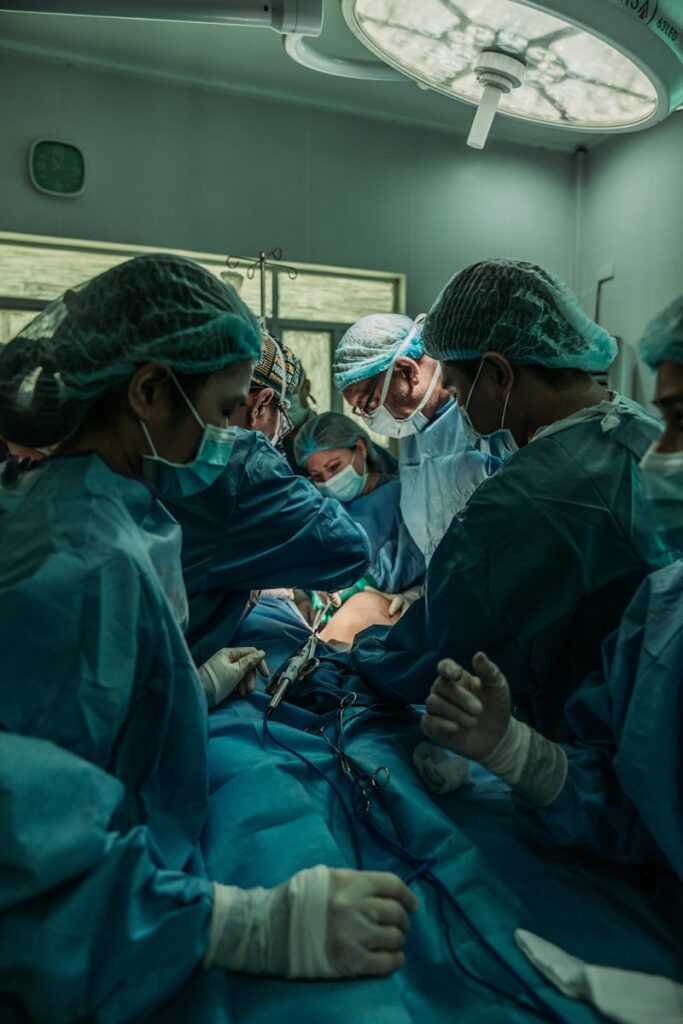
Years ago, I worked in the admissions department at the OSU medical center emergency room. While I had an ‘administrative’ job, registering incoming patients and dealing with insurance companies, I also had a front-row view of what happened in a level 1 trauma center. Half of my time was spent behind a desk, while the other half was spent on a mobile laptop cart that wheeled around the actual emergency room, where I’d be face-to-face with patients in hospital beds.
While the ED tended to be a fast-pace environment, there was one thing that turned it into a well-oiled – and chaotic – machine; the alerts on the overhead PA system, announcing incoming trauma patients. To this day, I still remember the way it sounded:
“Trauma, level one. Seven minutes.”
“Trauma, level 2. Eleven minutes.”
“Trauma, Level one. Nine minutes.”
Usually, the ED had less than ten minutes to prepare for the incoming emergency, regardless of what it was. While the medical staff had a vital job to play in those minutes, the admissions department team also had a critical role; identifying the patient and pulling up their medical records. As such, I worked in the same trauma bay (one of two) that received the patient.
During the precious minutes before the patient arrived, the head doctor/nurse would quickly brief the team on the details about the incoming patient; citing what medication had been administered, the nature of the wound/illness or any other pertinent matters that could help save the life of the patient.
I saw a lot of things during those times that still shock me to this day. In some cases, the smells were as bad as the sights and I’ll never forget smell of a burn patient that filled the air with the stench of their own hair and flesh.
Most of the time, our team had little more than a wallet or purse to work from as we attempted to identify the patient and retreive their medical records. In some cases, I remember having to reach into the pocket of a patient to get their wallet while the medical team worked to save their life.
I saw many people come back to life on that table. I also saw people die. I heard the shouts and screams of family members receiving the news that a loved one had been lost. In some cases, I knew the patient was dead already and had to direct incoming family members to a room where somebody else was waiting to deliver the news.
My God, I saw a lot during the short time I worked there…
I’ll never forget meeting one patient who was a year younger than I was. Unlike most patients, this one came through the incarceration ward; the caged section of the ED that contained prisoners there for medical treatment. The prisoners gave me far more respect than the guards – but that’s not really important.
The prisoner was 18 years-old, and I had access to his prison records as part of the registration process. He was doing 6-10 years on account of an armed robbery, and being treated for ‘rectal bleeding’. I’ll let you do the math as to why.
The guards unlocked the ‘cage’ of the treatment area, and I wheeled my laptop cart over to take his information. He was younger than I was at the time, and I couldn’t shake the look he had on his face.
A skinny ‘kid’, he looked more like a shattered pane of glass than a human being. He was broken. Scared. Tormented.
Minutes later, I finished the registration and walked out of the cage. A few weeks later, he was back in the ED because he tried to kill himself – likely to free himself of the sexual assault he received behind bars.
I’m guessing that kid probably wished he had never attempted to rob somebody, mess with the wrong crowd or make any of the poor choices that led him the reality where he was when I encountered him. To some degree, I wonder what he would have told a younger version of himself if he could go back in time and try to convince him to change his ways.
When you worked in the ED, you come face-to-face with people that have very different lives than you do. However, the difference between ‘staff’ and ‘patient’ means that you have an entirely different experience at the end of the day. For those of us working in the ED, we went back to our lives at the end of the shift. For people like ‘the kid’, they returned back to a hell that many of us will never experience.
There was a learned sense of helplessness and duty that I picked up at the hospital. For example, I was wholly aware that I had no medical training and could never perform the role of a doctor or nurse. On the other hand, I recognized the critical role that I played behind the screen of my laptop as I worked inches and feet away from people whose lives were in critical danger. I knew my place and I never tried to step outside of the bounds of my responsibilities.
When I look at the world around me now, I feel a similar sense of duty and responsibility as I raise Atlas. While there are bombs dropping on others, attrocities happening globally and systemic political corruption in every government on the planet, I recognize that my job isn’t to ‘step in’ and try to fix global events – nor is it something I’m capable of doing.
My job is to be a great Dad to Atlas. Period.
When I worked in the ED, I’d probably get fired on the spot if I were to have watched the news in the middle of a level one trauma, rather than doing my job. I’d certainly get fired if I doomscrolled on social media…which wasn’t a thing during those years.
How many parents watch the news instead of care for their children? How many parents are glued to their phone screens and ‘doomscroll’ instead of being present for their child[ren]?
That’s a great question.
Recently, I was at a playground with Atlas and I noticed a parent there who I saw years earlier at one one of his gymnastics classes. During gymnastics, I noticed the parent was glued more to their phone than they were to their children; often completely unaware of where their kids were in the large facility, because they were completely fixated on their phone.
Nearly two years later, I saw the same parent again – still glued to their phone. One of their children came up to play with them and they told them:
“Not now, Theo. Go play with other kids.”
The parent sat down on a bench and returned to their phone. As I walked by, I couldn’t resist peeking in to see what was so important on their screen that it would divert their attention away from their kids. I expected Slack or some other type of workplace messeneger.
Pokemon.
The parent was playing pokemon.
That hit me like a load of bricks. Here were two young children that wanted to play with their parent…and they were being pushed away because of Pokemon.
Is Pokemon any better than watching the news, scrolling on social media, or watching a ‘show’ on Netflix? I’ll let you be the judge of that.
Life is short. Kids grow up fast. And in some cases, kids grow up to be ‘the kid’ in a cage at a hospital. Perhaps ‘the kid’ could have made better choices, or perhaps their parent could have spent more time raising them instead of playing games. The actions we have in life have drastic consequences when we take our eyes off of the ball – or our children.
No Comments